
freestanding led mirror
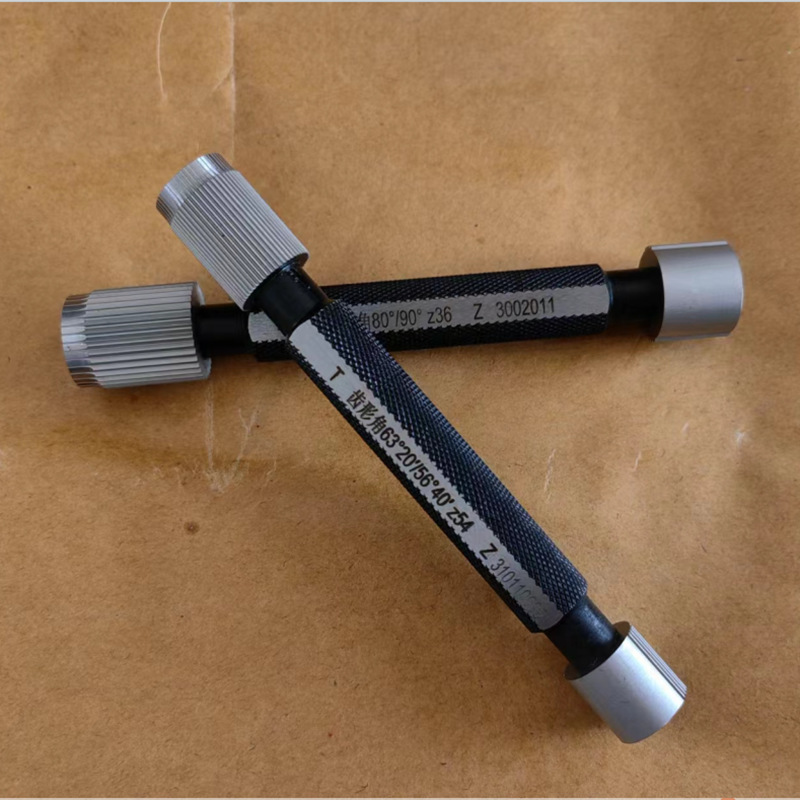
Understanding Gauge Pin Class A Comprehensive Overview In the realm of precision engineering and manufacturing, the concept of gauge pin classes plays a pivotal role in ensuring measurement accuracy and quality control. Gauge pins are often utilized as reference tools in the checking of dimensions, particularly in hole diameters, and it is essential to comprehend the various classes and standards associated with them. What are Gauge Pins? Gauge pins, also known as gauge blocks or precision pins, are cylindrical tools used to measure or check the diameter of holes accurately. Typically made from high-quality steel or carbide, these pins are designed to provide a specific diameter that is standardized, allowing for consistent measurements across various applications. They are integral to the fields of manufacturing, quality assurance, and mechanical engineering. Classification of Gauge Pins Gauge pins are classified according to their tolerances, which define how much deviation from the nominal size is permissible. These tolerances are critical to ensure that the parts being manufactured fit together correctly. The common classes of gauge pins include 1. Class A These pins have the tightest tolerances and are used in applications where precision is paramount. They are ideal for industries that require high-quality measurements and fittings, such as aerospace and automotive sectors. 2. Class B This class allows for slightly larger tolerances than Class A while still maintaining high levels of accuracy. Class B gauge pins are often used in situations where some degree of tolerable variation is acceptable, making them versatile for general engineering applications. 3. Class C Class C pins have the widest tolerances and are typically employed in applications where precision is less critical. They are commonly used in initial checking processes or for parts that do not require a high level of accuracy. gauge pin class The classification of gauge pins ensures that engineers and quality control professionals can choose the right tool for their specific needs, improving efficiency and accuracy in the manufacturing process. Standards and Measurement The tolerances associated with gauge pins are defined by various international standards. One of the most recognized standards is ISO (International Organization for Standardization) 286, which outlines the general principles of dimensional tolerancing. These standards are crucial as they provide a universal language for manufacturers, helping to ensure that different components fit together seamlessly regardless of where they were produced. Accurate measurement using gauge pins involves the right techniques. For instance, when measuring a hole, the pin should be inserted with a steady force to avoid altering the reading due to unexpected flexing or misalignment. It’s also vital to ensure that the pins are clean and free from debris to maintain the integrity of the measurements. Applications of Gauge Pins Gauge pins are widely used across various industries. In manufacturing, they are used to verify hole sizes, ensuring that parts assemble correctly. In quality control, they help in validating the production processes by confirming that components meet specified tolerances before they leave the factory. Moreover, in the tool and die industry, gauge pins are used as references for creating molds and dies, which must be manufactured to exact specifications. They also find applications in the calibration of measuring equipment, providing reliable benchmarks that enhance the precision of other measurement tools. Conclusion In conclusion, gauge pin classes are essential elements in the field of precision measurement and quality assurance. Understanding the different classes, tolerances, and applications of gauge pins enables engineers and manufacturers to select the right tools for their specific needs, promoting high standards of accuracy and efficiency in production. As industries continue to demand higher precision, the importance of gauge pins and their classification will only grow, underscoring their integral role in the future of manufacturing and engineering. Whether in aerospace, automotive, or general engineering, the significance of gauge pins remains undeniable, confirming their place as indispensable tools in the quest for quality and precision in modern manufacturing.
about
freestanding led mirror
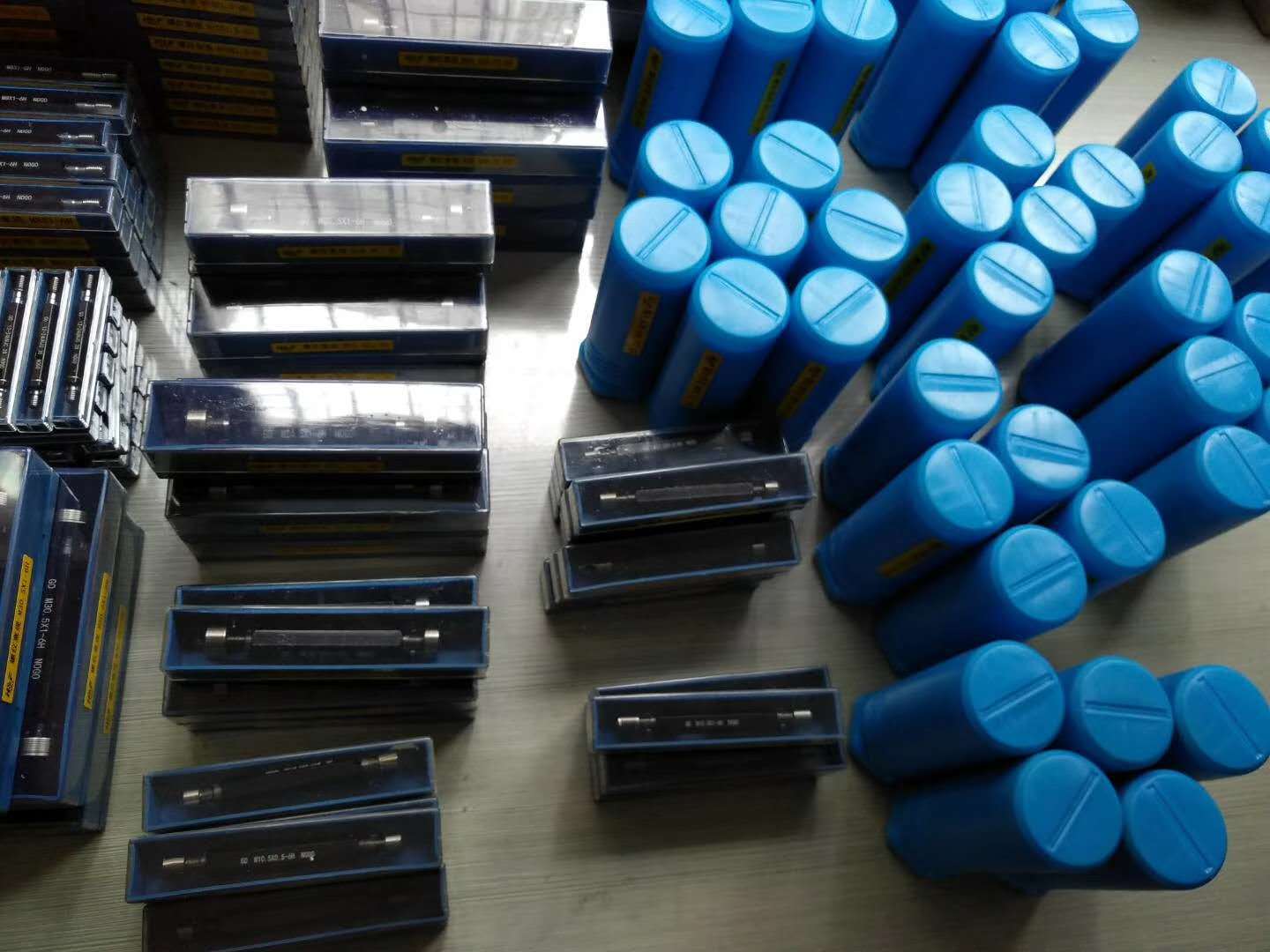
Understanding Ring Gage Class A Comprehensive Overview In the world of precision measurement and quality control, ring gauges, also known as ring gages, play a critical role. These tools are essential for verifying the dimensions of cylindrical objects, especially holes and shafts. The classification of ring gages, particularly by the ring gage class, is a vital topic for engineers, machinists, and quality assurance professionals. This article delves into the significance, types, and applications of ring gage classes, providing a comprehensive understanding of their importance in manufacturing and quality control. What is a Ring Gage? A ring gage is a mechanical device primarily used to check the internal dimensions of a hole or the external diameter of a shaft. It is designed as a circular ring with an internal diameter that is precisely machined to predetermined specifications. By placing the gage over the part being measured, operators can easily determine if the part meets the required tolerance levels. Ring gages are manufactured to high accuracy and are often made from hardened tool steel or other durable materials that resist wear over time. They can assess fits such as Go and No-Go conditions, enabling quick and effective quality checks. Ring Gage Classifications Ring gages are classified based on their tolerance levels and intended use, significantly influencing manufacturing processes. Understanding these classifications is crucial for selecting the appropriate gage for a specific application. The primary classes of ring gauges are 1. Class X (or 0) This class represents the highest level of precision. Ring gages in this category are used for critical components where the utmost accuracy is required . Examples include aerospace and medical instrument manufacturing, where even small deviations can lead to failure or safety issues. ring gage class 2. Class Y (or 1) This class allows for slightly larger tolerances than Class X. While still representing high accuracy, Class Y is suitable for precision parts in automotive or machinery applications where exacting standards are important but slight variations may be acceptable. 3. Class Z (or 2) This classification is typically used for parts that do not require the extreme precision of Class X or Y. Class Z gages are often used in general manufacturing practices, where tolerances can be looser, allowing for cost-effective production. 4. Special Classes In addition to the standard classifications, manufacturers can create special gages tailored to specific applications or materials. These gages might incorporate unique features or tolerances suitable for specialized processes. Applications of Ring Gages The applications of ring gages are vast and varied across industries. In automotive manufacturing, they are used to ensure that engine components fit properly together. In aerospace, they guarantee that critical parts are manufactured to stringent standards, directly affecting safety and performance. In the production of precision tools, ring gages help ensure reliability and functionality. Furthermore, ring gages are important in ensuring interchangability between parts, particularly in mass production environments. High-quality standards not only reduce waste but also increase customer satisfaction by delivering products that meet or exceed specifications. Conclusion In conclusion, understanding ring gage classes is essential for anyone involved in the manufacturing and quality control sectors. The precision offered by ring gages is foundational to ensuring that parts fit correctly and function as intended. By selecting the appropriate class of ring gage, professionals can guarantee that they are meeting industry standards and fostering an efficient manufacturing process. The integration of ring gages into quality assurance measures not only streamlines production but also affirms the commitment to excellence in engineering and design.
-

High quality industrial productsagement

High quality industrial products
View Details -

Meet the diverse needs of customers

Meet the diverse needs of customers
View Details -

Strict quality control

Strict quality control
View Details -

Top raw materials

Top raw materials
View Details -

Trusted supplier

Trusted supplier
View Details
Our application

news and information
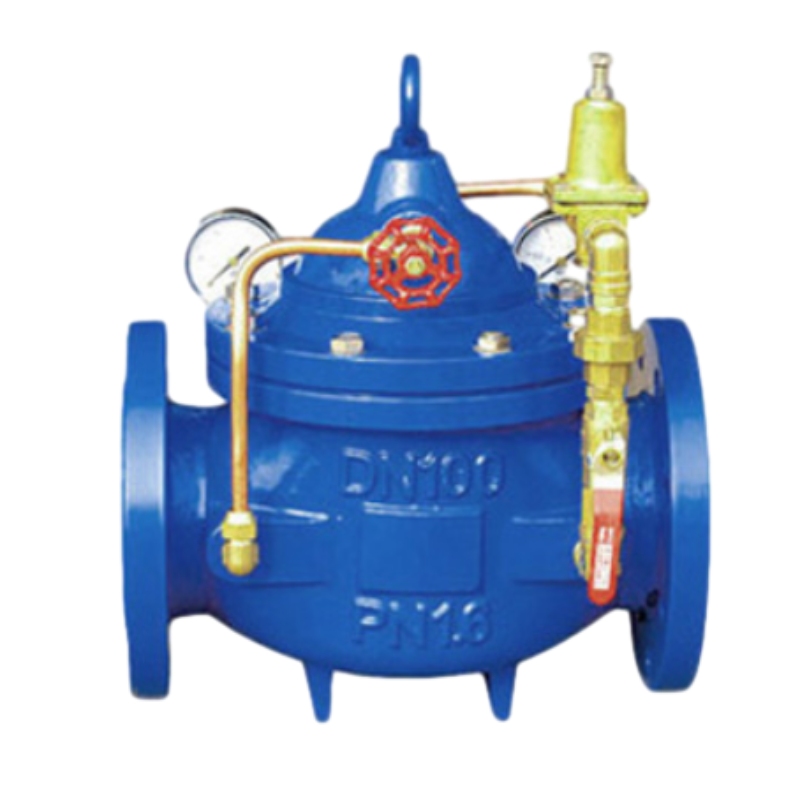
valve company
Valve Corporation, an iconic name in the gaming industry, has consistently set benchmarks in interac
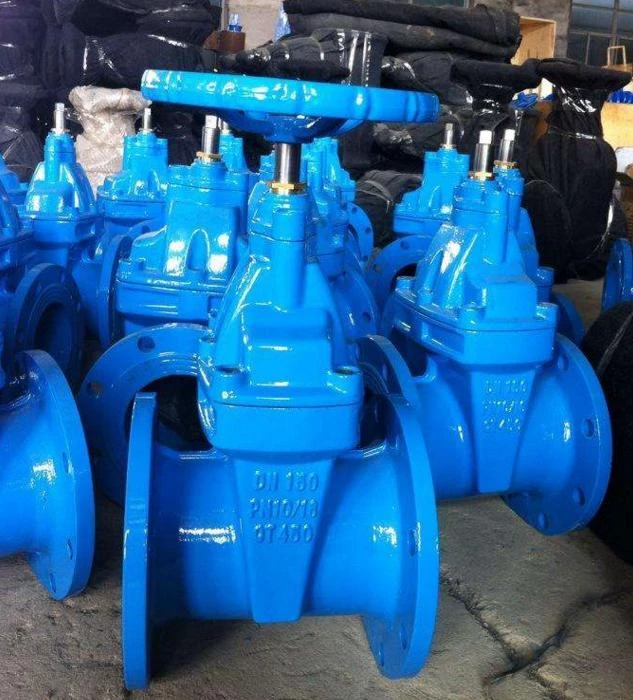
Válvula de globo com 2% de eficiência em sistemas hidráulicos industriais
Válvula de Bola de 2” x 1” x 2” Uma Solução Eficiente para Controle de Fluxo As válvulas têm um pape
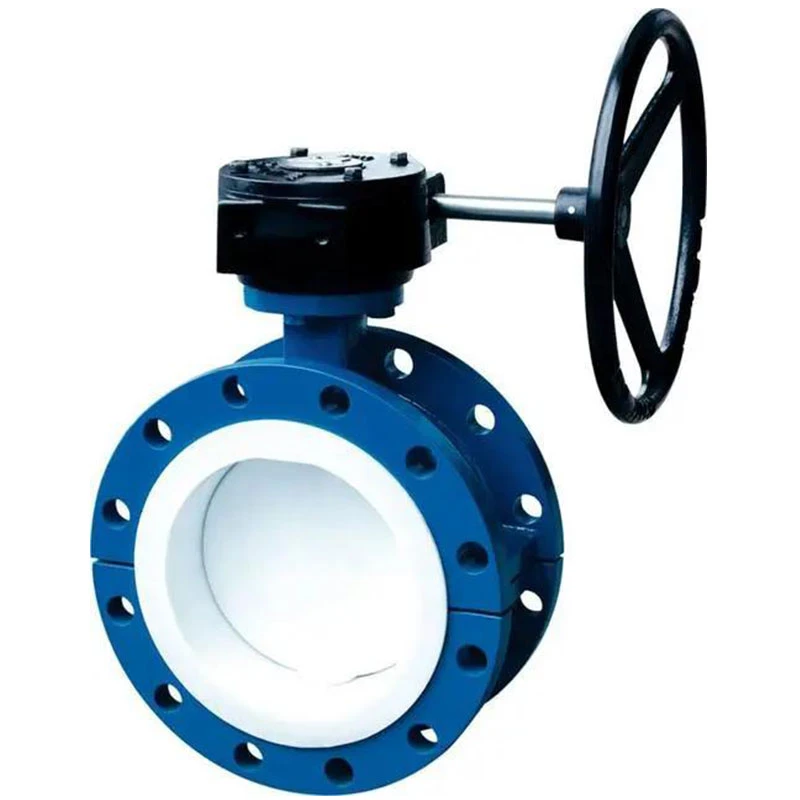
Válvula de compuerta de 500 mm para aplicaciones industriales y sistemas de tuberías
Válvula de compuerta de 500 mm Importancia y Aplicaciones La válvula de compuerta es un dispositivo
 English